New 12.5% US Tariff on Japanese Food Imports: What Changed on July 24, 2026
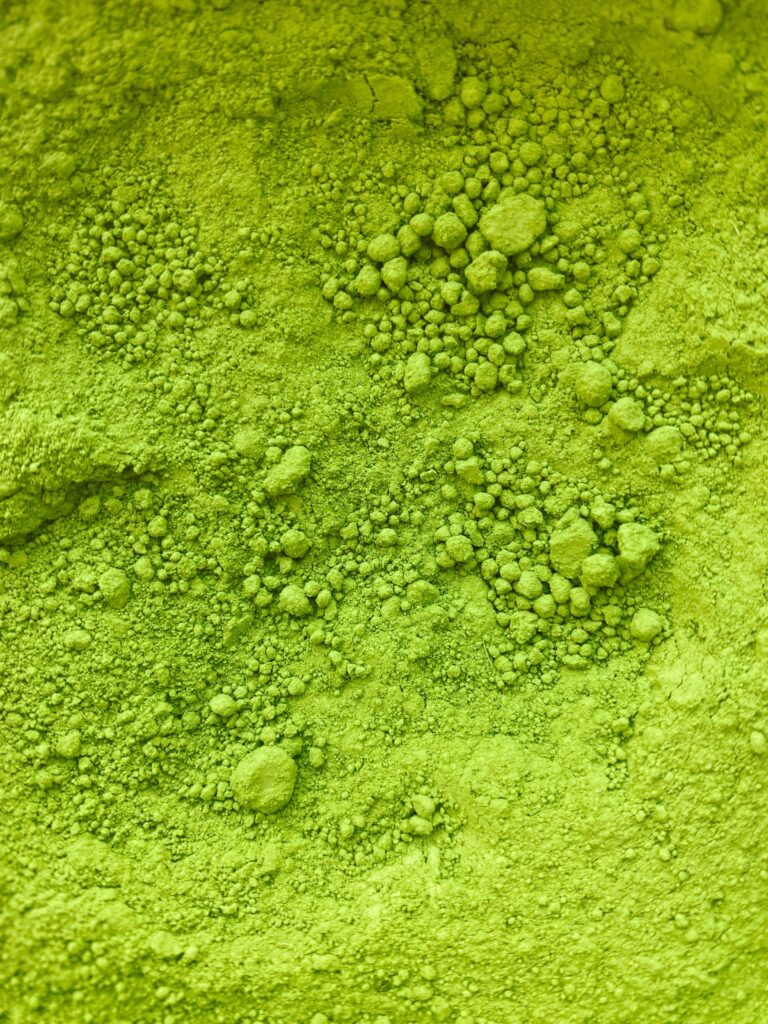
On July 24, 2026, the rules for importing Japanese food into the United States changed again. The temporary 10% global surcharge that had applied to Japanese goods since February expired at 12:01 a.m. Eastern Time, and a new Section 301 tariff took effect at the same moment. For most products of Japanese origin — including matcha, soy sauce, miso, snacks, seasonings, and other food and beverage categories — the new additional duty rate is 12.5%.
If you import Japanese food products, sell them on Amazon or Shopify, or export from Japan to US buyers, here is what you need to know.
What Exactly Happened in July 2026
The July 24 changeover was the latest step in a turbulent 18 months for US trade policy. The Supreme Court struck down the earlier IEEPA-based tariffs in February 2026, and the administration immediately replaced them with a 10% global surcharge under Section 122 of the Trade Act of 1974. That statute caps the surcharge at 150 days, which meant a hard expiration on July 24, 2026 — a deadline the President could not extend without Congress.
On the evening of July 23, the US Trade Representative announced the replacement: new Section 301 tariffs on products from 60 economies, the outcome of an investigation into forced-labor enforcement policies. Japan is on the list, along with South Korea, the EU, Switzerland, Taiwan, and dozens of other trading partners. The new duties took effect at 12:01 a.m. ET on July 24, 2026 — the same minute the old surcharge expired, so there was no duty-free gap.
The New Rate for Japanese Products: 12.5%
Under the new action, Japan is assessed at 12.5% in principle. Countries on the list face either 10% or 12.5%, and Japan was placed in the higher bracket. Two details matter for cost planning.
First, Japan’s rate is structured as a combination rate: for Japanese-origin goods, the Most-Favored-Nation (MFN) base duty and the new Section 301 duty are combined into a flat rate rather than stacked separately. Relief provisions are designed so that the total does not exceed 12.5% when combined with other existing tariff programs, avoiding double taxation.
Second, unlike the expired 150-day surcharge, the new Section 301 layer has no built-in expiration date. It remains in force until it is modified, negotiated away, or struck down in court — and legal challenges were filed within the first week. Importers should plan their 2026–2027 pricing on the assumption that 12.5% is the operating rate for the foreseeable future.
What This Means for Japanese Food Importers
In practical terms, the additional duty on most Japanese food shipments moved from 10% to 12.5% — a 2.5-point increase on customs value. On a $20,000 commercial shipment of matcha, soy sauce, or packaged foods, that is roughly $500 in additional duty compared to June, and $2,500 compared to a pre-2025 baseline with no surcharge at all.
For sellers, the increase lands on top of costs that have already reshaped the category. The $800 de minimis exemption for low-value shipments was eliminated earlier in the trade cycle, so even small direct-from-Japan parcels now clear customs with applicable duties and fees. Retail prices for imported Japanese food in the US have been absorbing these layers throughout 2025 and 2026, and the July change adds another increment.
Three action items stand out for anyone importing Japanese food right now:
Check the in-transit exemption for goods already on the water. Merchandise loaded aboard the final vessel before 12:01 a.m. ET on July 24, 2026, and entered for consumption before 12:01 a.m. ET on July 28, 2026, is not subject to the new tariffs. If you have containers that sailed in mid-July, confirm entry timing with your customs broker immediately.
Verify your HTS classifications. Each economy on the list has its own additional HTS number, and general and economy-specific exemptions exist. The detailed exemption lists were still being published in the days after the announcement, so a product you assume is covered may qualify for relief — or vice versa. An accurate HTS code has never mattered more to your landed cost.
Review whether you are owed refunds on earlier tariffs. Importers who paid IEEPA duties between 2025 and February 2026 may be eligible for refunds following the Supreme Court ruling, and the February–July surcharge payments are the subject of separate ongoing litigation. Keep entry records organized by tariff program.
Does the 2019 US-Japan Trade Agreement Help?
Not for this. The 2019 US-Japan Trade Agreement (USJTA) reduced Japanese tariffs on US agricultural exports and covered a narrow set of goods flowing into the US, but it does not shield Japanese-origin food products from the new Section 301 duties. The additional tariff applies on top of the trade relationship that existed before, subject to the combination-rate structure described above.
FSVP and Compliance Still Apply
Tariffs change the economics of importing Japanese food; they do not change the regulatory requirements. Every US importer of Japanese food products remains responsible for FDA registration, compliant labeling, and Foreign Supplier Verification Program (FSVP) obligations, including supplier verification records and hazard analysis. With margins tightening under the 12.5% rate, avoiding an FDA import refusal — and the demurrage, re-export, or destruction costs that come with one — is more important than ever.
The Bottom Line
The tariff imposed in July 2026 replaced a temporary 10% surcharge with a permanent-until-changed 12.5% Section 301 duty on Japanese imports, effective July 24. Japanese food importers should re-quote landed costs at the new rate, confirm HTS classifications and exemption eligibility, use the in-transit window where it applies, and preserve records for potential refunds on earlier tariff layers. The businesses that navigate this best will be the ones that treat customs strategy and FDA compliance as a single, integrated cost of doing business — not an afterthought.
This article is for general information only and does not constitute legal or customs advice. Tariff programs are subject to ongoing litigation and rapid change; confirm current rates with a licensed customs broker before making import decisions.